BLUE BOY

It was the fall of 2001 and the Los Angeles Times said that the Titan Arum (the Corpse Flower or Stinky Flower) would be blooming at the Huntington Gallery in San Marinoo only today. It was one of the largest flowers in the world and bloomed only every five years and only for three days. Twenty two years ago, there were many fewer of them in the world, but the Huntington had snaffled one. Yesterday, it had been at its best. Today would be the last chance to see it in flower. Tomorrow, the flower would wilt and die.

Corpse flower known as Amophophallus titanum blooming in Honolulu Hawaii and releasing an odor smelling like rotting flesh

I explained this to my grandson GS who was eating his breakfast at the other side of the tiny table. I did not call it a Corpse Flower. I called it a Stinky Flower. Six-year-old boys like gross, in moderation. Why did it smell bad? To attract flies to pollinate it. A few minutes of negotiation convinced his mother who was hurrying out to work that a school called Play Mountain Place would not disapprove of a day off to study a rare botanical specimen.

So we set off in my green Toyota Tercel from our barrio off Venice Blvd. I had just had major surgery and had come down from Canada to recover. The surgeon had recklessly removed my courage along with the part I had signed up for. I was no longer a road warrior on strange freeways. If I got confused, GS sitting behind me in his child seat, calmly pointed out where I should go.

The last thing my daughter said to me, “Oh, the Blue Boy is there. Be sure to see him.”

There was a very long line and it was hot in the sun, despite the free bottles of water. At certain points the smell of – let’s be frank – dead animal was overwhelming.

Then we went to lunch. Fortunately, a docent sitting at the next table was delighted to answer all the probing questions I couldn’t. Both of GS’s grandfathers were physicists and mathematicians. One of them had a double PhD. The other was my ex-husband.

After lunch, we looked at pictures. I was distracted by the blonde bombshell at my side. I had lost him in major airports, where I had to choose between catching him and losing our luggage. I still had him.

GS was close by my side when I walked into a room and there was the Blue Boy. I was so gobsmacked that I loosened my grip on my grandson’s hand. He slipped silently away. When I tore my eyes away from the full length portrait of the Boy in Blue, I saw a small being at the end of the room engrossed in the portrait there.

There was no one else there. Even the watcher had stood up from her chair and stepped around the corner. I wanted to stand there forever.

But I heard, “Can we go now? I’ve seen them all.”

It wasn’t enough. I had to go back the next day, without my mercurial companion.

As I passed the Titan Arum, I saw that it was a sad memory of its former glory.

I bought a small book about the Thomas Gainsborough’s Blue Boy (est. 1770) and and Sir Thomas Lawrence’s Pinkie (1793). The lithe girl hung opposite the Blue boy. Both people depicted are young, and Henry E. Huntington bought them both in the 1920s; otherwise, there is no connection between them.

Pinkie’s pink bonnet strings and her filmy white dress, with the wide pink sash are lifting in the breeze. Her pink lips are small, demure, kissable. A week before the portrait was to be exhibited at the royal Academy Exhibition, Pinkie died. She had had a cough, which may indicate she died of tuberculosis. The portrait vanished from view for many years, but it was known to be in the possession of Pinkie’s brother, the father of the poet, Elizabeth Barrett-Browning.

The little book The Blue Boy and Pinkie by Robert R. Wark, a ‘noted art historian’ was published by the Huntington Gallery in 1963. Wark gives the standard 1963 account of who modeled for the portrait. Indeed the print that I bought has the name in script at the bottom of the white window mat, Master Jonathan Buttall, the son of a wealthy ironmonger (hardware merchant). It is probable Gainsborough became a friend of the elder Buttall in Ipswich where they both lived before moving to London. Gainsborough was only 11-years-older than Master Buttall. We know they were friends because the artist left a short list of those he wanted at his funeral in 1788, including Jonathan.

Henry Huntington paid $728,000 for the Blue Boy in 1921. It is estimated to be worth over $9 billion today.

In the 1790s, Buttall’s business came upon hard times and his household effects were sold at auction, including the Blue Boy for 35 guineas. He died late in 1805 at the age of the age of 53, in which case, he would have been born in 1752. The portrait seems to have been exhibited in at the Royal Academy in 1770, which would have made Jonathan eighteen.

When I sat down to write this blog post, Google did not agree with Robert R Wark, noted art historian though he was. Today’s noted art historians suggest it was Gainsborough Dupont, Thomas’s nephew, or, just to be awkward, that there was no sitter.

We know that a Van Dyke Costume such as the Blue Boy is wearing was available for Gainsborough’s sitters. The Honourable Edward Bouverie chose to wear it for his portrait in 1773, same lace collar and cuffs. Another sitter Paul Cobb Methuen also wore it. It was the fashion in those days to dress in the costume of sitters for Sir Anthony Van Dyck. Women also chose to do this.

Whenever I see or remember the Blue Boy, I recall the smooth confidence of the young man, relaxed, calm, forthright, somewhat assertive, no doubt the product of wealth and class.

I spent 35-years, studying boys of this age as they entered my classroom for the first time, sussing out the troublemakers. Blue Boy would not be one, so long as he was treated with the respect he felt he deserved.

In my opinion, however, genius he was, no one, not even Gainsborough could paint that face and cavalier posture or the glint of light on the left sleeve without a model.

After I read Mr. Wark’s little book, believing it was a picture of Jonathan Buttall, I wondered how how he had changed by the time of his bankruptcy. Had his widow’s peak rendered him bald? Did he have a paunch from English beef, port and pudding? Had life battered that beauty and serenity out of him when he died at 53?

There is another story that Gainsborough painted the picture in answer to an essay by Sir Joshua Reynolds, head of the Royal Academy of Arts. Reynolds held that no great picture could be predominately blue. It must be made of warmer colors. Gainsborough took this as a challenge to be disproved.

When Huntington Museum xrayed the Blue Boy , it discovered that Gainsborough had reused an old canvas. The head of an older man was revealed above the Blue Boy’s. Surely, a painter would not reuse an old canvas in front of a wealthy sitter. Surely, Gainsborough fired up by the challenge had seized the first canvas that came to hand in his enthusiasm to disprove the older artist.

Blue Boy went back to London for a four month visit on the hundredth anniversary of its relocation to the United States of America, but it is home at the Huntington again now.

If I were Los Angeles, I would get GS to drive me down to San Marino to see the true colors of the Blue Boy. GS would keep track of the cane I’m always misplacing.

See joyce@joycehowe.com for latest book
I Trust You to Kill Me
Sign up your email address for a FREE cop of e-book,
Monthly draw.
BLUE BOY

It was the fall of 2001 and the Los Angeles Times said that the Titan Arum (the Corpse Flower or Stinky Flower) would be blooming at the Huntington Gallery in San Marinoo only today. It was one of the largest flowers in the world and bloomed only every five years and only for three days. Twenty two years ago, there were many fewer of them in the world, but the Huntington had snaffled one. Yesterday, it had been at its best. Today would be the last chance to see it in flower. Tomorrow, the flower would wilt and die.

Corpse flower known as Amophophallus titanum blooming in Honolulu Hawaii and releasing an odor smelling like rotting flesh

I explained this to my grandson GS who was eating his breakfast at the other side of the tiny table. I did not call it a Corpse Flower. I called it a Stinky Flower. Six-year-old boys like gross, in moderation. Why did it smell bad? To attract flies to pollinate it. A few minutes of negotiation convinced his mother who was hurrying out to work that a school called Play Mountain Place would not disapprove of a day off to study a rare botanical specimen.

So we set off in my green Toyota Tercel from our barrio off Venice Blvd. I had just had major surgery and had come down from Canada to recover. The surgeon had recklessly removed my courage along with the part I had signed up for. I was no longer a road warrior on strange freeways. If I got confused, GS sitting behind me in his child seat, calmly pointed out where I should go.

The last thing my daughter said to me, “Oh, the Blue Boy is there. Be sure to see him.”

There was a very long line and it was hot in the sun, despite the free bottles of water. At certain points the smell of – let’s be frank – dead animal was overwhelming.

Then we went to lunch. Fortunately, a docent sitting at the next table was delighted to answer all the probing questions I couldn’t. Both of GS’s grandfathers were physicists and mathematicians. One of them had a double PhD. The other was my ex-husband.

After lunch, we looked at pictures. I was distracted by the blonde bombshell at my side. I had lost him in major airports, where I had to choose between catching him and losing our luggage. I still had him.

GS was close by my side when I walked into a room and there was the Blue Boy. I was so gobsmacked that I loosened my grip on my grandson’s hand. He slipped silently away. When I tore my eyes away from the full length portrait of the Boy in Blue, I saw a small being at the end of the room engrossed in the portrait there.

There was no one else there. Even the watcher had stood up from her chair and stepped around the corner. I wanted to stand there forever.

But I heard, “Can we go now? I’ve seen them all.”

It wasn’t enough. I had to go back the next day, without my mercurial companion.

As I passed the Titan Arum, I saw that it was a sad memory of its former glory.

I bought a small book about the Thomas Gainsborough’s Blue Boy (est. 1770) and and Sir Thomas Lawrence’s Pinkie (1793). The lithe girl hung opposite the Blue boy. Both people depicted are young, and Henry E. Huntington bought them both in the 1920s; otherwise, there is no connection between them.

Pinkie’s pink bonnet strings and her filmy white dress, with the wide pink sash are lifting in the breeze. Her pink lips are small, demure, kissable. A week before the portrait was to be exhibited at the royal Academy Exhibition, Pinkie died. She had had a cough, which may indicate she died of tuberculosis. The portrait vanished from view for many years, but it was known to be in the possession of Pinkie’s brother, the father of the poet, Elizabeth Barrett-Browning.

The little book The Blue Boy and Pinkie by Robert R. Wark, a ‘noted art historian’ was published by the Huntington Gallery in 1963. Wark gives the standard 1963 account of who modeled for the portrait. Indeed the print that I bought has the name in script at the bottom of the white window mat, Master Jonathan Buttall, the son of a wealthy ironmonger (hardware merchant). It is probable Gainsborough became a friend of the elder Buttall in Ipswich where they both lived before moving to London. Gainsborough was only 11-years-older than Master Buttall. We know they were friends because the artist left a short list of those he wanted at his funeral in 1788, including Jonathan.

Henry Huntington paid $728,000 for the Blue Boy in 1921. It is estimated to be worth over $9 billion today.

In the 1790s, Buttall’s business came upon hard times and his household effects were sold at auction, including the Blue Boy for 35 guineas. He died late in 1805 at the age of the age of 53, in which case, he would have been born in 1752. The portrait seems to have been exhibited in at the Royal Academy in 1770, which would have made Jonathan eighteen

When I sat down to write this blog post, Google did not agree with Robert R Wark, noted art historian though he was. Today’s noted art historians suggest it was Gainsborough Dupont, Thomas’s nephew, or, just to be awkward, that there was no sitter.

We know that a Van Dyke Costume such as the Blue Boy is wearing was available for Gainsborough’s sitters. The Honourable Edward Bouverie chose to wear it for his portrait in 1773, same lace collar and cuffs. Another sitter Paul Cobb Methuen also wore it. It was the fashion in those days to dress in the costume of sitters for Sir Anthony Van Dyck. Women also chose to do this.

Whenever I see or remember the Blue Boy, I recall the smooth confidence of the young man, relaxed, calm, forthright, somewhat assertive, no doubt the product of wealth and class.

I spent 35-years, studying boys of this age as they entered my classroom for the first time, sussing out the troublemakers. Blue Boy would not be one, so long as he was treated with the respect he felt he deserved.

In my opinion, however, genius he was, no one, not even Gainsborough could paint that face and cavalier posture or the glint of light on the left sleeve without a model.

After I read Mr. Wark’s little book, believing it was a picture of Jonathan Buttall, I wondered how how he had changed by the time of his bankruptcy. Had his widow’s peak rendered him bald? Did he have a paunch from English beef, port and pudding? Had life battered that beauty and serenity out of him when he died at 53?

There is another story that Gainsborough painted the picture in answer to an essay by Sir Joshua Reynolds, head of the Royal Academy of Arts. Reynolds held that no great picture could be predominately blue. It must be made of warmer colors. Gainsborough took this as a challenge to be disproved.

When Huntington Museum xrayed the Blue Boy , it discovered that Gainsborough had reused an old canvas. The head of an older man was revealed above the Blue Boy’s. Surely, a painter would not reuse an old canvas in front of a wealthy sitter. Surely, Gainsborough fired up by the challenge had seized the first canvas that came to hand in his enthusiasm to disprove the older artist.

Blue Boy went back to London for a four month visit on the hundredth anniversary of its relocation to the United States of America, but it is home at the Huntington again now.

If I were Los Angeles, I would get GS to drive me down to San Marino to see the true colors of the Blue Boy. GS would keep track of the cane I’m always misplacing.

See joyce@joycehowe.com for latest book
I Trust You to Kill Me
Sign up your email address for a FREE cop of e-book,
Monthly draw.
BLUE BOY

Featured

It was the fall of 2001 and the Los Angeles Times said that the Titan Arum (the Corpse Flower or Stinky Flower) would be blooming at the Huntington Gallery in San Marinoo only today. It was one of the largest flowers in the world and bloomed only every five years and only for three days. Twenty two years ago, there were many fewer of them in the world, but the Huntington had snaffled one. Yesterday, it had been at its best. Today would be the last chance to see it in flower. Tomorrow, the flower would wilt and die

Corpse flower known as Amophophallus titanum blooming in Honolulu Hawaii and releasing an odor smelling like rotting flesh

I explained this to my grandson GS who was eating his breakfast at the other side of the tiny table. I did not call it a Corpse Flower. I called it a Stinky Flower. Six-year-old boys like gross, in moderation. Why did it smell bad? To attract flies to pollinate it. A few minutes of negotiation convinced his mother who was hurrying out to work that a school called Play Mountain Place would not disapprove of a day off to study a rare botanical specimen.

So we set off in my green Toyota Tercel from our barrio off Venice Blvd. I had just had major surgery and had come down from Canada to recover. The surgeon had recklessly removed my courage along with the part I had signed up for. I was no longer a road warrior on strange freeways. If I got confused, GS sitting behind me in his child seat, calmly pointed out where I should go.

The last thing my daughter said to me, “Oh, the Blue Boy is there. Be sure to see him.”

There was a very long line and it was hot in the sun, despite the free bottles of water. At certain points the smell of – let’s be frank – dead animal was overwhelming.

Then we went to lunch. Fortunately, a docent sitting at the next table was delighted to answer all the probing questions I couldn’t. Both of GS’s grandfathers were physicists and mathematicians. One of them had a double PhD. The other was my ex-husband.

After lunch, we looked at pictures. I was distracted by the blonde bombshell at my side. I had lost him in major airports, where I had to choose between catching him and losing our luggage. I still had him.

GS was close by my side when I walked into a room and there was the Blue Boy. I was so gobsmacked that I loosened my grip on my grandson’s hand. He slipped silently away. When I tore my eyes away from the full length portrait of the Boy in Blue, I saw a small being at the end of the room engrossed in the portrait there.

There was no one else there. Even the watcher had stood up from her chair and stepped around the corner. I wanted to stand there forever.

But I heard, “Can we go now? I’ve seen them all.”

It wasn’t enough. I had to go back the next day, without my mercurial companion.

As I passed the Titan Arum, I saw that it was a sad memory of its former glory.

I bought a small book about the Thomas Gainsborough’s Blue Boy (est. 1770) and and Sir Thomas Lawrence’s Pinkie (1793). The lithe girl hung opposite the Blue boy. Both people depicted are young, and Henry E. Huntington bought them both in the 1920s; otherwise, there is no connection between them.

Pinkie’s pink bonnet strings and her filmy white dress, with the wide pink sash are lifting in the breeze. Her pink lips are small, demure, kissable. A week before the portrait was to be exhibited at the royal Academy Exhibition, Pinkie died. She had had a cough, which may indicate she died of tuberculosis. The portrait vanished from view for many years, but it was known to be in the possession of Pinkie’s brother, the father of the poet, Elizabeth Barrett-Browning.

The little book The Blue Boy and Pinkie by Robert R. Wark, a ‘noted art historian’ was published by the Huntington Gallery in 1963. Wark gives the standard 1963 account of who modeled for the portrait. Indeed the print that I bought has the name in script at the bottom of the white window mat, Master Jonathan Buttall, the son of a wealthy ironmonger (hardware merchant). It is probable Gainsborough became a friend of the elder Buttall in Ipswich where they both lived before moving to London. Gainsborough was only 11-years-older than Master Buttall. We know they were friends because the artist left a short list of those he wanted at his funeral in 1788, including Jonathan.

Henry Huntington paid $728,000 for the Blue Boy in 1921. It is estimated to be worth over $9 billion today.

In the 1790s, Buttall’s business came upon hard times and his household effects were sold at auction, including the Blue Boy for 35 guineas. He died late in 1805 at the age of the age of 53, in which case, he would have been born in 1752. The portrait seems to have been exhibited in at the Royal Academy in 1770, which would have made Jonathan eighteen

When I sat down to write this blog post, Google did not agree with Robert R Wark, noted art historian though he was. Today’s noted art historians suggest it was Gainsborough Dupont, Thomas’s nephew, or, just to be awkward, that there was no sitter.

We know that a Van Dyke Costume such as the Blue Boy is wearing was available for Gainsborough’s sitters. The Honourable Edward Bouverie chose to wear it for his portrait in 1773, same lace collar and cuffs. Another sitter Paul Cobb Methuen also wore it. It was the fashion in those days to dress in the costume of sitters for Sir Anthony Van Dyck. Women also chose to do this.

Whenever I see or remember the Blue Boy, I recall the smooth confidence of the young man, relaxed, calm, forthright, somewhat assertive, no doubt the product of wealth and class.

I spent 35-years, studying boys of this age as they entered my classroom for the first time, sussing out the troublemakers. Blue Boy would not be one, so long as he was treated with the respect he felt he deserved.

In my opinion, however, genius he was, no one, not even Gainsborough could paint that face and cavalier posture or the glint of light on the left sleeve without a model.

After I read Mr. Wark’s little book, believing it was a picture of Jonathan Buttall, I wondered how how he had changed by the time of his bankruptcy. Had his widow’s peak rendered him bald? Did he have a paunch from English beef and pudding? Had life battered that beauty and serenity out of him when he died at 53?

When Huntington Museum xrayed the Blue Boy , it discovered that Gainsborough had reused an old canvas. The head of an older man was revealed above the Blue Boy’s. Surely, a painter would not reuse an old canvas in front of a wealthy sitter. Surely, Gainsborough fired up by the challenge had seized the first canvas that came to hand in his enthusiasm to disprove the older artist.

There is another story that Gainsborough painted the picture in answer to an essay by Sir Joshua Reynolds, head of the Royal Academy of Arts. Reynolds held that no great picture could be predominately blue. It must be made of warmer colors. Gainsborough took this as a challenge to be disproved.

Blue Boy went back to London for a four month visit on the hundredth anniversary of its relocation to the United States of America, but it is home at the Huntington again now.

If I were Los Angeles now, I would get GS to drive me down to San Marino to see the true colors of the Blue Boy. GS would keep track of the cane I’m always misplacing.

See joyce@joycehowe.com for latest book
I Trust You to Kill Me
Sign up your email address for a FREE cop of e-book,
Monthly draw.
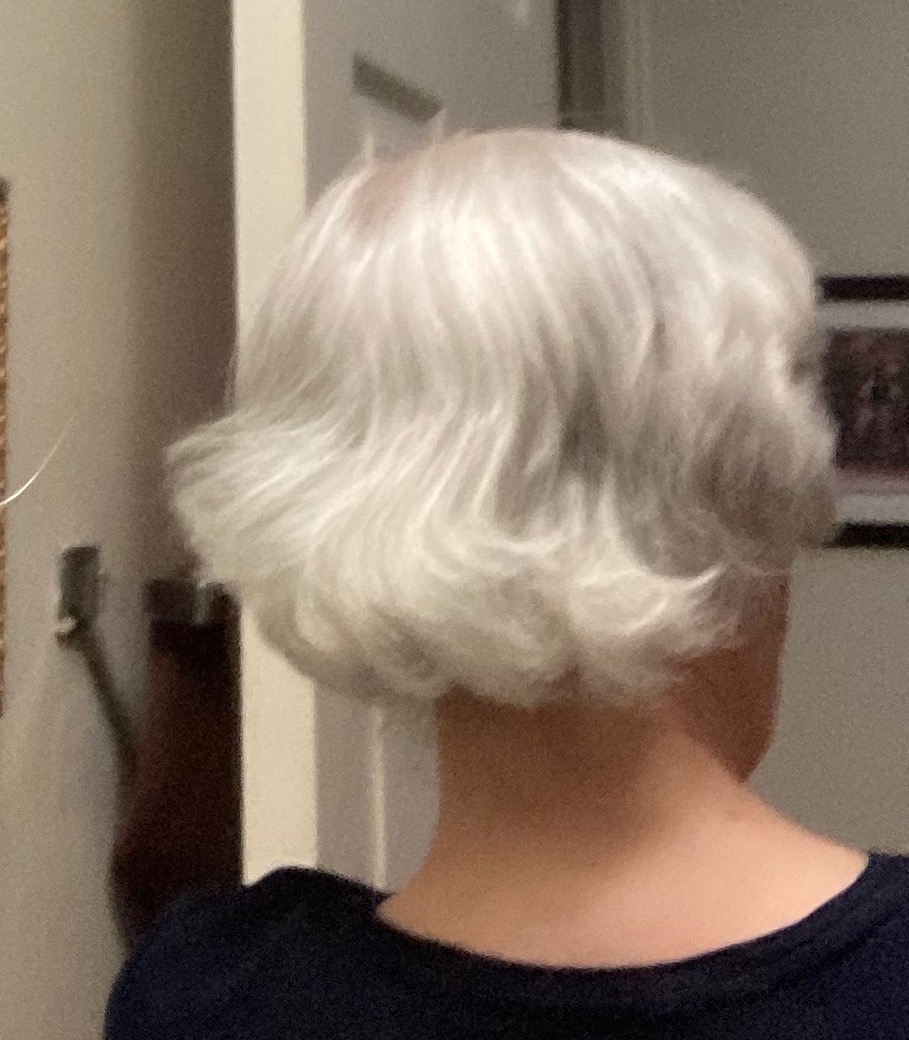
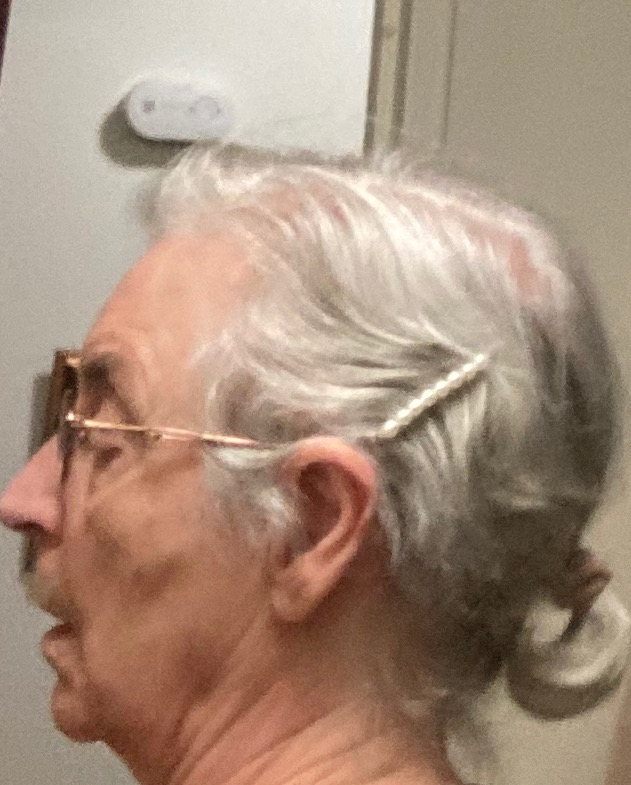
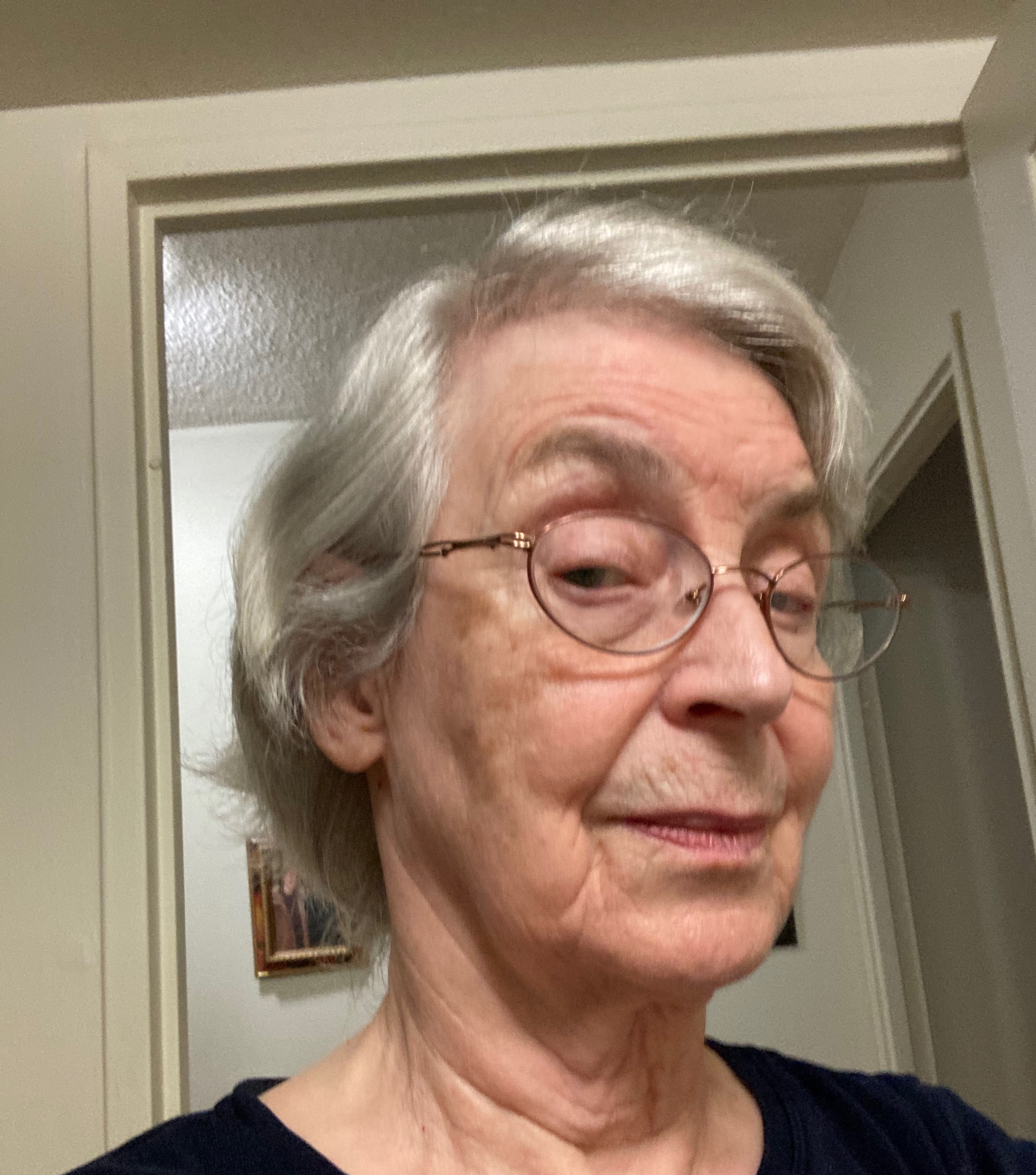
Hair: Covid and 1968

https://www.youtube.com/watch?v=ADNbtAID5wM

She asks me why I’m such a hairy girl
I’m hairy noon and night, hair that’s a fright
I’m hairy high and low, don’t ask me why. Don’t know.
It’s not for lack of bread like the Grateful Dead.
***********
Hair, hair, hair, hair, hair, hair, hair, hair,
Flow it, show it, as long as God can grow it, my hair

Hair, from the 1968 musical

Fifty two years and here we are again. I confess I enjoyed the musical immensely and I never nagged my husband or my son about their long hair,

For weeks now in 2020, the hair cutters were shut down and hair grew. Our Prime Minister Trudeau seems to have gone with flow and I love his curls. Some people, who lived with other people, ordered clippers on line and got hair cuts. For better or worse. Anderson Cooper’s was all right unless he turned his right side to the camera. Chris Cuomo not bad, but poor guy had been really sick. My Facebook friend, Jeanne, rushed gleefully out when our late opening city finally got to stage -whatever. My own sister got the first morning appointment and sat between plexiglass screens. At no risk. And why didn’t I go to her hairdresser as well? My sister still goes to a first class hairdresser. I had to down scale to First Cut, $21 with the senior discount. I object to paying $100, but even more I object to the unnecessary risk of infection every 6 weeks. (I am following the CDC advice to avoid routine dental care. as well, but, hey, I floss.)

It’s not even the price. My hair started growing as the quarantine went on and on, and I remembered it was curly. The mirror showed me an older, much older version of my young self. My hair is at present pewter colored, whereas it was once brown. But there were those same waves. Miracle of miracles!.

Waves are not to be envied. They are single-minded and defiant. Some days they sulk and droop or on others, stand on end like Medusa’s.

Every young woman, reporter, actress, congress woman has long straight hair. Persons like me with a flawed fusiform face area in their brain, can’t tell one from the other except by hair color. But there’s the age-old rule, passed down by grandmothers: older women should have short hair. My own grandmother wound her long white hair up in a chaste bun for many years and looked like a woman with a very short cut. And tell that to the women, who live in Pine Mountain Club in the California mountains. They proudly swing their long, grey locks over their canvases and pottery wheels. They clap on a straw sombrero or a cowboy hat to add to the effect.

When you decide to grow your hair out, it gets untidy, still too short for a pony tail or a twist, and prone to escaping in the front and low on the neck, especially when you wear a hat and a mask and glasses. How annoying to have this pointed out before you can get to a comb. Or this in the elevator: ‘But what are you going to do with it?’ (You can tie it in a knot. You can tie it in a bow. You can throw it o’er your shoulder, like a continental soldier..)

Look I’m bored out of my skin. I’m 84 years old. I go out to get groceries. Period. I read. I stream mysteries. I stare out at the sky from my 14th floor window. But I have found an engrossing activity: I watch my hair grow.

Let me be.

Or maybe I’ll shave my head down to a bristle like the ‘person’ in Millions. Or a Buddhist monk. They say it clears your mind.

A Hundred Days of Solitude: chpt 6

Blake is still just sleeping.

Day 150: but whose counting?

I could actually go out according to stage 3 rules of pandemic. I could go to a bar. I like sitting at Cagney’s with a glass of Butternut Chardonnay. With a book. At the short end where there is just enough light to read. Three guys will be sitting in the middle of the long side, separately, one talking to the owner, another flirting with the barmaid. Cagney’s is a Greek restaurant, oddly, and the owner goes to California to get wines no one else imports. It was tough discovering in the early days of the pandemic shut-down that this was the only hobby which got me out of the house. It was tough that the bars were closed for nearly five months. It was also tough that I had to stop drinking. Something about medication and continual dizziness.

But I don’t. Go out.

I get dizzy listening to the statistics. We are leveled off here in Toronto, fewer cases, fewer deaths. For now. I’ve given up keeping track of the deaths and hospitalizations in the U.S. I packed it in around 100,000 departed souls. No the statistic that bothers me is the one that tells me my chances of succumbing. I am 84 and apparently have a 75% chance of surviving. That seemed like good odds when I had cancer. Not anymore. Surviving Covid-19 is an adventure I want to skip. If I want to drown, I’ll just jump in the pool, I’m that bad a swimmer.

So I stay in. Except for weekly early seniors’ hour at the supermarket.

I spend the better part of an hour every day in the mountains of Kern County, California. Via Facetime. My daughter calls every day, realizing that I’m in solitary for my own protection. I know the place well and some of the people and I have her catalogue what’s she’s doing  there. The mornings are getting cold at 6000 ft. Autumn already on the wind. And some days I spend Facetime in a suburb of Brussels, which has seen a rise in cases and less freedom of movement. My brother’s bubble seems to be quite large, but as I reported in chapter 2, he also seems to have had Covid. I see my sister up the street a few times a week without aid of device, but we thrash over Trump every night on the phone. We should be suffering over our Prime Minister’s charity scandal, but the fate of the world is not riding on it. (The first 5 posts are available at 115journals.com.)

Last time, I talked about my idea of destiny https://115journals.com/2020/07/30/a-hundred-days-of-solitude-chpt-5/

In that post, I proposed the idea that we signed up for our roles in life before we undertook incarnation, and that as bits and pieces of God, we had a role in planning events as well. I pondered whether some souls put up their hands to play bad guy. It seemed to me that all types of experience were necessary throughout our many incarnations.

(There are several references in the Bible to reincarnation which the early censors failed to catch.)

I talked to a friend about this idea and she was equally convinced that souls fell into the role of villain through lack of awareness. The Tibetan Book of the Dead, Soygal Rinpoche’s The Tibetan Book of Living and Dying and  Robert Thurman’s Infinite Life among other books teach us the stages of dying, usually pictured as different kinds of light ending in the vast clear light of consciousness. It is essential to see that light in order to choose your next reincarnation wisely. Confused souls are swept willy-nilly into the next life. This is the way people find themselves incarnating as foundlings who grow into psychopaths or bad painters who found evil empires or rich boys who are given no love or spiritual grounding and become men without empathy. These books encourage us to meditate on this path to clear light so we are prepared when the time comes.

I find that I can’t even keep the stages in order and my experience with death tells me that it’s not  the only route. My father, who was the foundling, was not even likeable and even thoroughly evil and yet, I loved him. Before he died, he made an act of contrition, calling each of the children he could get hold of and saying ‘Sorry’.  I watched his cruel death. While many others wished him in hell, I knew that heaven makes no judgement. He had put in his time in hell on earth, as most of us do. I knew that he had been welcomed and that his nature there was as pure and good as it had been when he was born in a New Hampshire work house and sold to a ‘nice couple’. Years after his death, he appeared at the bedside of a loved one who was in the grip of acute psychotic terror. He assured her he was there to protect her. It was he, of course, who had caused the terror when she was a child.

In another case, a young-gish woman died in a state of rage, which no doubt prevented her from sorting out firefly light from moonlight or clear light. Almost instantly, several of us were aware of a great love she was sending back to us. We had striven to help her on her way, but the people closest to her fastened on her anger and grieved without consolation.

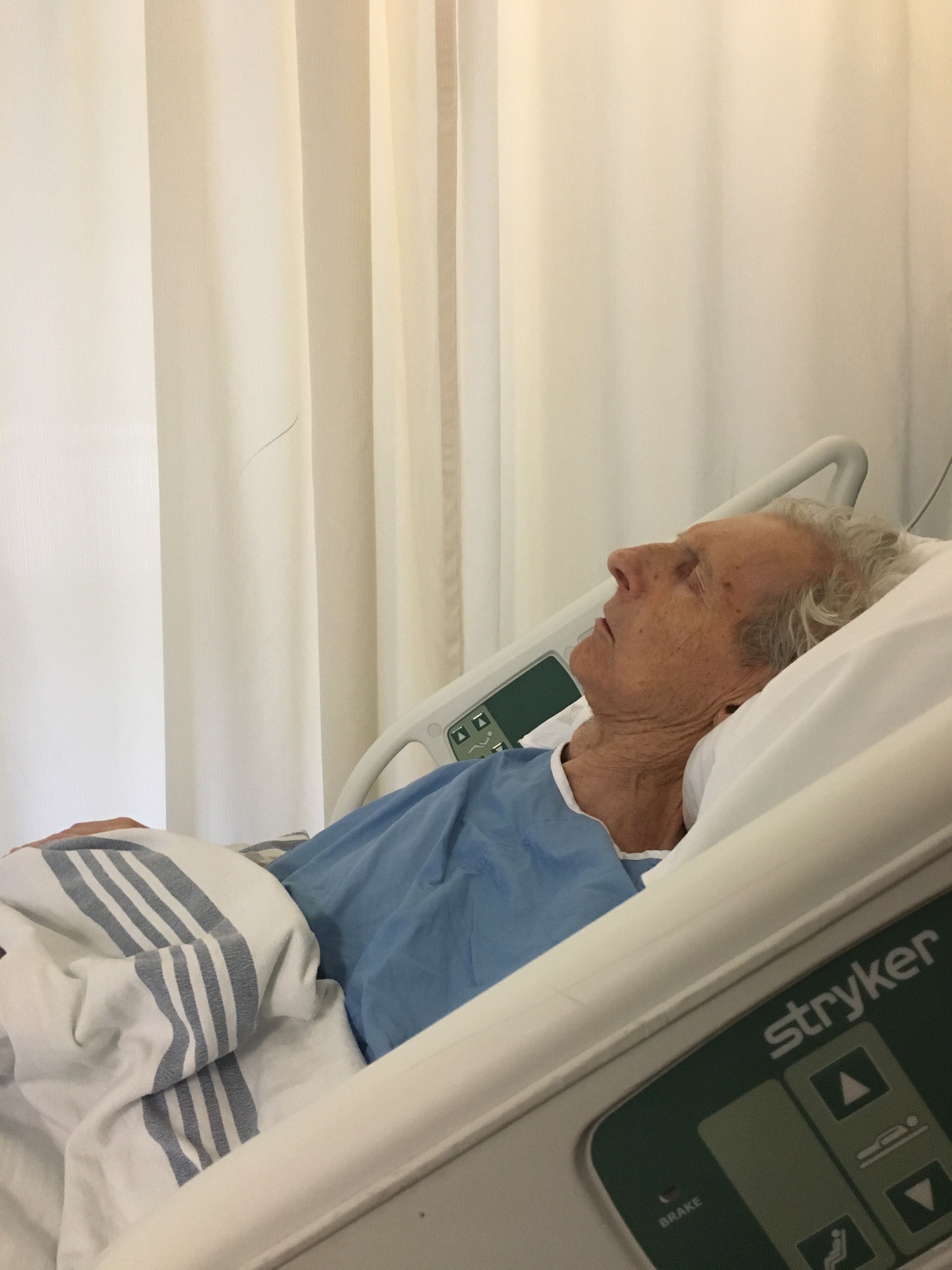
And then there was Blake, my ex-husband, whom we sat beside for ten days. He was grumpy with his pain and childlike, still arguing that he should be able to drive when he got out of hospital. Eventually, he sank into a sort of coma. We didn’t stop talking to him. The ‘girlfriend’, who said old men disgusted her, got into arguments with staff and had to be led away for private chats. His son and step-daughter talked to him and held his hand. I read him Rumi poetry and sang when we were alone. On the last day, we were all 4 there, telling stories about him. He could be very funny, sometimes intentionally. So we laughed a great deal. And cried too. As his executor, I was ready for my final duties, but when he shuddered out that last breath, I lost it. I could barely remember how to dial the undertaker, I was so shaken, So shaken, that I forgot his clothes and he went to the fire wearing a blue hospital gown.

My sister reported that he made an aerial pass through her living room that night, blue gown flying, clearly in bliss. The next glimpse we got of him, he was hurrying off to an advanced physics class, completely absorbed in his tablet and books.

Blake was not spiritually woke in his last years. He had some dementia. He left me his confirmation Bible, which he never, ever read. I have the King James Bible, the New English Bible, the NIV Study Bible and the Amplified Bible, so he thought I was the right recipient. He knew that to me the Bible was literature. He left his fervent wishes for Bernie Sanders, who was still in the running, and a colossal mess in his home and his affairs. I have cursed him many times as we sorted it out, but Blake is preparing to come back and implement a universal wage. Presumably, he will branch into advanced economics next semester.

Which is to say, with all due respect to the Dalai Lama, the Rinpoches and Thurman, that there are many ways to pass and not get swept into the gutter next time.

Having helpers is useful. I have chanted with the Taoists for the departed. I have lit candles and prayed by myself. During the pandemic, I have been very conscious of the dying and the dead. There is an army of us thinking and praying for them. And Angels. I worried initially about dying sedated on a ventilator. No worry now. I’ve opted out. DNR. At the worst, I’d just die sedated. Now I think it doesn’t matter. We don’t need religion to show us the way. And we don’t need to be there with a check list: “there goes the moonlight, clear light coming up.” We don’t even need mental health, although the one necessary thing may lead to that. All we need is love.


A Hundred Days of Solitude: chpt 5

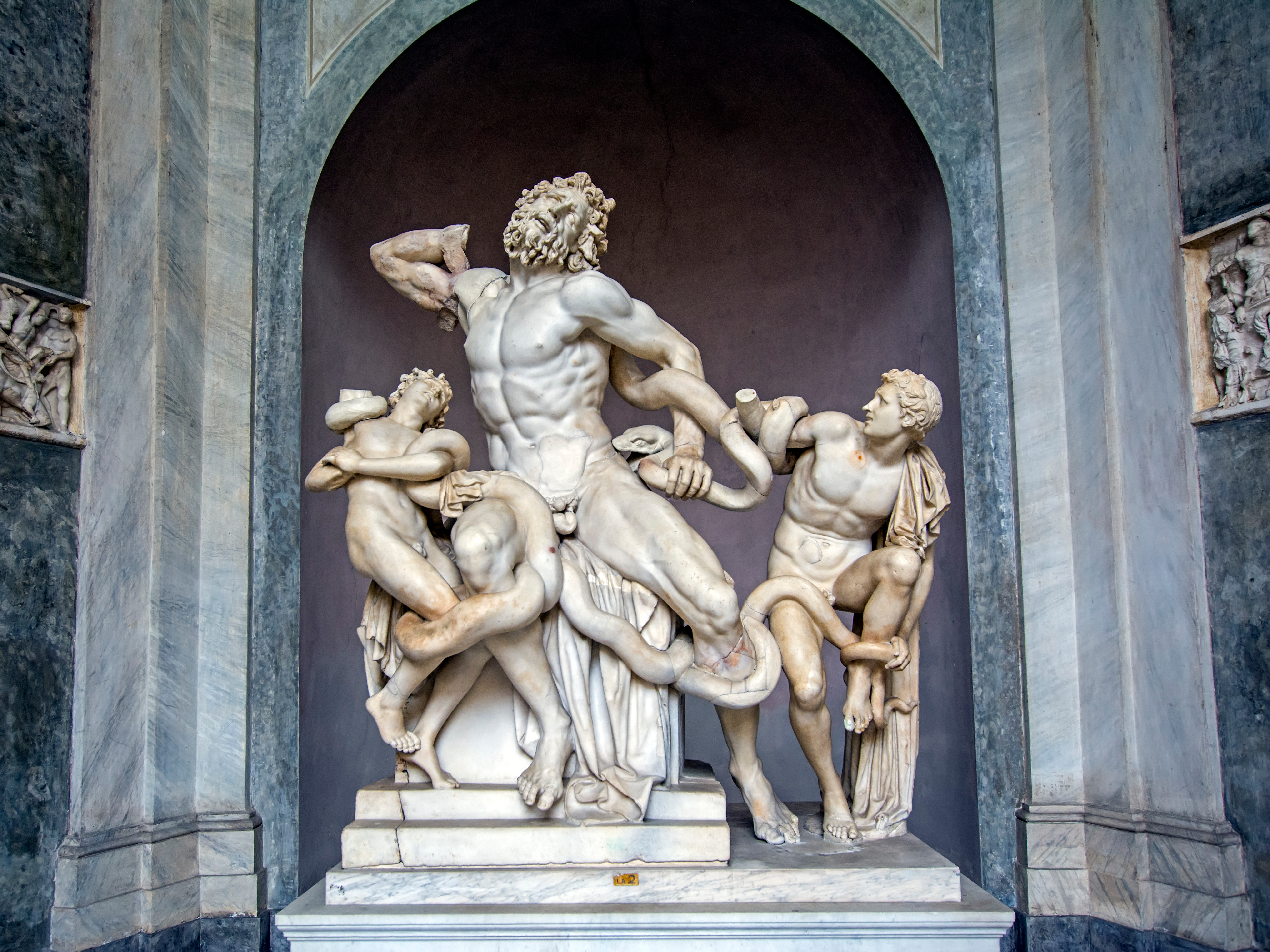
Laocoon and his sons destroyed by sea serpents

A Hundred Years of Solitude by Gabriel Garcia Marquez tells the story of seven generations of the Buendia family, which founded the riverside town on Macondo in the jungle of Columbia. In the first generation the isolated town has no outside contact except for an annual visit from a Gypsy band. It is a place where the inexplicable can happen and ghosts are commonplace. Many misfortunes befall the Buedias, all of which it turns out have been predicted. It is a long book, perfect if you are still, like me, a coronavirus shut-in.
********

“We are not here to be happy,” he said. He was a Catholic priest. I was a child. It wasn’t part of a sermon. I seem to be with a small group of children, standing around him. This is odd, since I grew up in Quebec, which was like Northern Ireland in those days, and I was Protestant. I was appalled to hear him say that. Of course, we were here to be happy. Jesus had pretty much confirmed that. The priest didn’t elaborate, leaving me to puzzle it out for the next 7 decades.

Which brings us to 2020 and Covid-19 among other things.

We thought we were living in end times when Donald J. Trump got hold of the most powerful office on the planet. Then we couldn’t breathe.

Because of my advanced age, I have been shut in for 140 days, except for essential shopping and visits to my sister and niece, part of my bubble since Day 78. Even then we wore masks and distanced. Lately, we have taken off the masks to eat together. We expect to live like this for a long while. I am 24% likely to die of Covid. Here in Canada, we have had about 9,000 deaths, but 2,000 have been elders in care homes. Note to self: stay out of care homes.

Tough on people who are praying to a merciful God. Had that experience as a child. We were 4 children, born over an 11 year period. I was oldest. Our childhoods taught us to be nimble, heart-broken, witty and kind. It was a mercy we all survived and a mercy that we have done as much good as we have. And we are all still here. Perhaps mercy is just a long term project.

Is this calamity destiny or the will of God? Is this pandemic and uprising for social justice part of a plan? Is that what is in operation now? There are 8 billion of us on the planet Earth. Is that just too many? Is nature just weeding the garden? Or is this a struggle between good and evil? In the midst of darkness has a greater darkness descended?

Some of us have had the leisure to consider such questions. Not the parents who have had to juggle home-schooling, home-office work and housekeeping, nor the essential workers who have risked their lives, but people like me, who have spent nearly 5 months in solitude.

CSIS (Canadian Security Intelligence Service) devised a secret plan to counteract riots here once the shut-down for the pandemic was announced. They took it upstairs. The higher-ups more or less laughed as I would have and canned the plan. Old joke: how do you get 50 frolicking Canadians out of a pool? You stand on the deck and say, ‘Please get out of the pool.” Of course we stayed home, as did Washington and California and other states, one by one. Lately, it has become clear that we have to wear masks if we want to shop. We wear masks. We don’t argue. Mostly. They are hot and not comfy. Ventilators are way worse.

That was my first glimpse of universal responsibility and open-heartedness. It was something like I saw as a child in World War II. Then there were the healthcare workers in New York City, working without PPE and in overcrowded conditions. They were getting sick and dying, but so were people, particularly immigrants, in less elevated jobs. I thanked the delivery people and the shop workers sincerely. They were out in the midst of it, while I was safe at home.

Their devotion and self-sacrifice cast light right across the globe. On dark days as the number of infected grew and bodies were stacked in refrigerator trucks and ice rinks and in mass graves, that love for each other, for absolute strangers, lit the darkness.

I had managed to figure out that the priest meant that we are here not to enjoy ourselves but to evolve, to become better people. I had had losses which felt unbearable, but eventually, made me a less self-centered person, more capable of empathy, of fellow feeling.

I wonder if he was a Jesuit. It seems Jesuitical.

The 13th century Sufi poet Jelaluddin Rumi takes a different tack and says that the soul is here for its own joy, that we are here to make God a reality. An acquaintance of mine says that in me, for example, God is experiencing godhood as an 84-year-old woman. But Rumi also says, “The rule is, Suffer the pain.
Your desire must be disciplined,
and what you want to happen
in time sacrificed.   (Coleman Barks: Rumi, the Book of Love, p.98)
He compares the soul to a newly skinned hide, “bloody and gross”, that has to be worked manually and with the “bitter tanning acid of grief” to become beautiful and strong. Rumi tells of “‘the Friend’ who knows more than you do,” who “will bring difficulties and grief and sickness,/ as medicine, as happiness, as the moment /when you’re beaten, when you hear Checkmate/ and can finally say with Hallaj’s voice,/ I trust you to kill me.”
(Barks: p. 127) (Al-Hallaj Mansour was martyred in Bagdad in 922,)

I suppose you have to believe in soul or the higher self to begin to make sense of these ideas, although the past five months may have moved even atheists closer to that belief. It seems as though Rumi is talking about something like the will of God. It might feel imposed but, in fact, the suffering is what a best friend sees is needed. This ‘will of God’ is rooted in love.

It is easier to see that in operation in the Black Lives Matter movement. It is not surprising that the urge for a fairer, more just society arose when it did. Most of us were paying attention. We felt helpless against the coronavirus but not so helpless against the injustice of George Floyd’s murder.

I am surprised and glad to find my close friends agree with my refinement of the will of God idea. You may find it a step too far. It seems to me that before we came into incarnation we helped to formulate these plans and volunteered for our own role. We have forgotten that for the most part and so we are not necessarily prepared for a sudden and early departure. We may be more ready to spend our lives in the service of others even though we think we made that decision for practical reasons toward the end of our education.

The corollary of that is, of course, that some of us have volunteered to play bad guy. Hitler, for example or my father. Imagine this pre-incarnated being madly waving its arm: I’ll be a  psychotic sociopath and cause millions to suffer and die. (My father’s score didn’t measure up to Hitler’s by the way.) Somebody had to do it. Does it go all the way down to invisible viruses? “I’ll be that one! I’ll do that.”

I have periodic collapses. My nerves give out around the dinner hour news. When I seek encouragement, one or other of these friends responds, “Stop worrying. We all signed up for this.” or “It’s all already happened.” It’s hard to be a witness. Even if we see what’s coming, we can’t change it. To try to do so would make things worse.

Laocoon, priest of Poseidon, tried to change the history of Troy by exposing the ruse of the wooden horse, in which were hidden Ulysses and his Greek cohorts. Poseidon sent sea serpents to destroy him and his sons. It was fated that the Greeks would prevail and Troy would fall.

Seers only
witness
to avoid
forfeiture

Sinche, Sinche (too much) celaidermontblog.com


A Hundred Days of Solitude: chpt 2

Pandemic Lock-down in Los Angeles

A Hundred Years of Solitude by Gabriel Garcia Marquez tells the story of seven generations of the Buendia family, which founded the riverside town on Macondo in the jungle of Columbia. In the first generation the isolated town has no outside contact except for an annual visit from a Gypsy band. It is a place where the inexplicable can happen and ghosts are commonplace. Many misfortunes befall the Buedias, all of which it turns out have been predicted. It is a long book, perfect if you are still, like me, a coronavirus shut-in.

GOD BLESS THE CHILD THAT HAS HIS OWN

Momma has some/ papa has some/ But god bless the child/ that has his own.
Billie Holiday, Arthur Herzog Jr.

Day 5 – 7: Businesses close. People work at home unless they can’t. Many, many people find they are unemployed. Others find themselves on the front line even though they aren’t doctors, nurses or hospital workers. They are essential workers, stocking grocery shelves, sanitizing, doing checkout, driving buses and subway trains for the many who have to use public transport. At 7 p.m., people go outside and bang on pots to thank these warriors.  (8 p.m. in NYC. and in Brussels.) From time to time, my brother requires me to join him on his Bois Fort doorstep via Facetime to cheer on Belgium workers.

You noticed, didn’t you? There was steak on that list in my last post. If you are actually hungry at the moment, I apologize. For my sins, I’m a member of a dying breed. I have a pension, a teacher’s pension. It’s not extravagant, but I’ll be able to pay my rent this month. Management has taped a notice to the door of every apartment: here’s what to do, if you can’t pay your rent. Our building is owned by British Columbia’s teachers’ pension plan.

How I Got a Pension: As a graduate, I wanted to go into the theata, darling! On the other hand, I needed to have children. Somebody had to rectify my parents’ mistakes. And my Aunt Mae, who saw the future, told me I needed a steady income and a pension. It was the children waiting to be born that convinced me.

Every Day: Our young prime minister -whose wife has Covid and who is in quarantine with her and their children – briefs us on his doorstep about what funds are available to those suddenly unemployed, even gig workers. Small business owners have their own fund. By a miracle all of my ‘people’ will have an income. No scandals emerge about fat-cats getting this money.

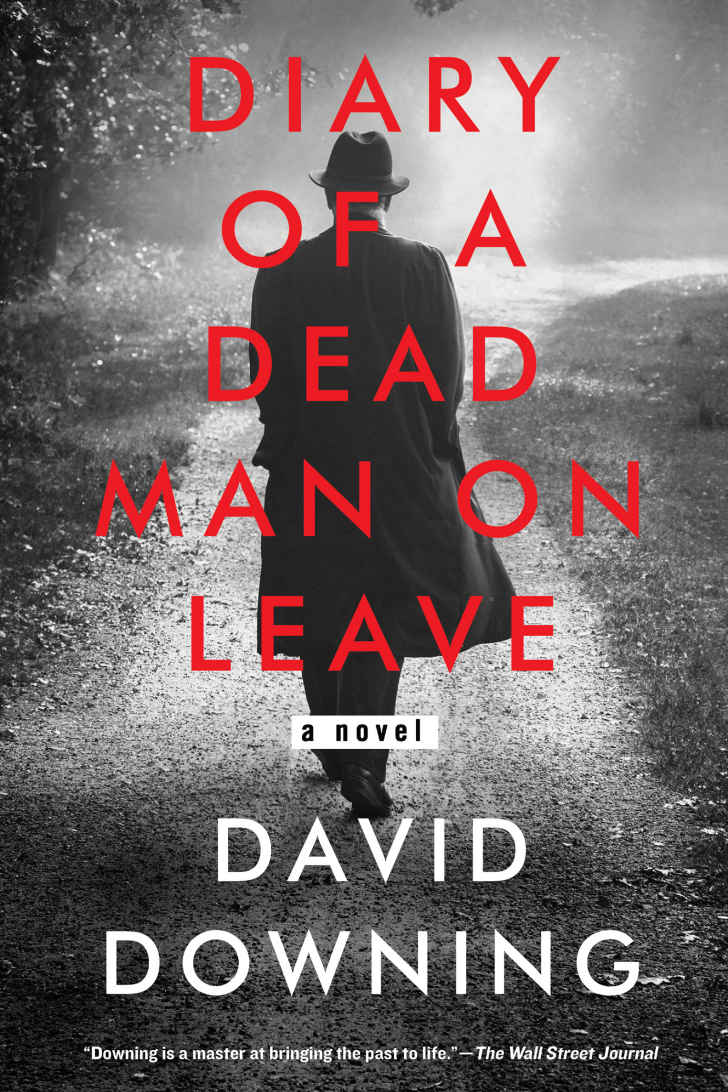
WAITING FOR THE BULLET (c.f. David Downing’s Diary of a Dead Man on Leave)

News from Wuhan, China at first disgusts me. One child of my acquaintance says, “It happened because the Chinese eat too many bats.” Sorry bats. One of you flew too near my hair once. The unhygienic live market puts me off. I have studied t’ai chi and Taoism and worked in a Chinese herb pharmacy putting together formulas, I have tutored dozens of Hong Kong students, but I haven’t given China’s live-markets an A+ for hygiene. I do feel very bad for the people under lock-down, some apparently chained in by local authorities.

But then, instantly, it seems, Covid leaps to Italy. Thousands escaped Wuhan when the shut-down was announced. Two of them fly to Milan.

Day – 6: Italy closes down the north. We learn that the virus has tiny hooks (Corona/crown) that dig into tissue and layer over the lungs until they are like leather. One after another airline cancel flights to Italy.

Canada prohibits flights from China, then Italy and before long the flight path over my building is as silent and empty as the 4 lane Glen Erin Drive below my windows.

Gradually, the horror in Italy grows clearer. Old patients, especially from long-term care homes, are being rendered unconscious and placed on ventilators. If these patients recover they have no memory of the weeks that have passed. Mostly, they die. Alone except for a iPod or cell phone, unconscious or not, distraught loved ones saying farewell from an inconceivable distance. Hearses line up and haul the victims away to lie in storage in cathedrals or ice rinks to wait their turn for a solitary disposal. Italy begins to triage. Old patients are just sedated and left without life-saving treatment.

Certain that we are in for the same, I hand-write an addition to my will opting out of ventilator treatment. I want no time wasted on debate, no healthcare worker feeling bad about making the choice. I want someone younger to enjoy a long life. The front office  admits me – it is still 6 days before lock-down and I get my signature witnessed.

I am not certain this is an altruistic decision. I am sure that I am well and truly terrified.

I pay tax due for myself and my late, lamented ex-husband, even though we have a moratorium on payment. I write a list of final instructions for Blake’s estate and cue up his second choice executor to take over if necessary. I start secreting cash in a metal box to meet cremation costs and work diligently to pay down debt.

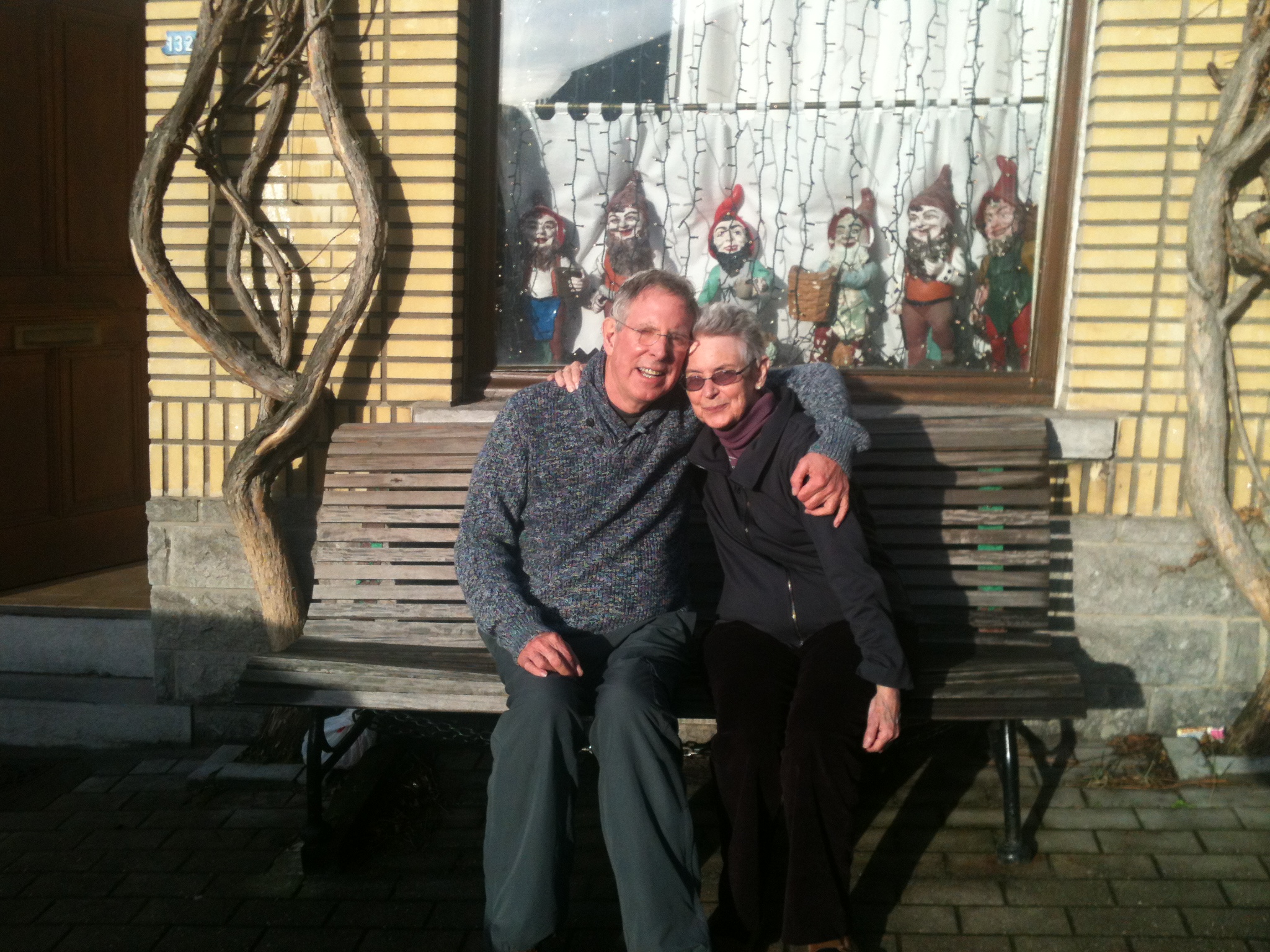
My Brother and I in front of his home in Brussels

Day 4: Catching a Bullet in Belgium

My younger brother lives in rue de l’hospice in Brussels, a reverse immigrant 50 years ago. Ambulances double hoot past all day, ferrying old folks from the long term care home for which the street is named. Most never return.

I can barely hear him on Facetime. He coughs so much. “Go to the doctor,” I shriek.

Not so easy. He gets a specific time. He waits on the pavement. The door is unlocked on the dot. He is handed a mask and swept into the exam room by his doctor, clad in full pandemic gear. Yes, his lungs are inflamed. Here are prescriptions for an inhaler, cough medicine and something else. Call if you get worse. And he is out on the street.

I monitor him closely. At first, he goes down hill. Then he begins to improve. Two weeks later, he calls his doctor for a checkup. “No, you can’t come in,” she cries. “Why not?” he asks. “Because you had it. And no, I can’t get you tested. Tests are not available.” “She’s usually so kind,” he tells me. He vows to continue living as if he could still catch it.

Okay, he survived.

But he’s only 73.

Day 14: What to Expect When You Catch the Bullet

You ride it out at home with the remedies you already have in your medicine cabinet. When you can’t breathe anymore, you call an ambulance. You get a bed in a hallway and wait for the DNR (do not resuscitate) order to kick in. Or you get better, like my brother, having eaten all your frozen soup.

On my first scuttling trip to the supermarket at 7 a.m., senior hour, I buy a whole chicken and make a huge batch of stock.

Days without number: Who is that Masked Man

I hasten to tell you that this started long before wearing a cloth covering over your mouth and nose was a political act or a moral act or a class divider or a sign you hate the poor Trump lad.

We are told not to use N95 masks because medical staff need them. My sister and my daughter are embarrassed to realize they have them already, but decide they might as well use them. You can’t buy any kind of mask anymore than you can buy toilet paper. I try to hand sew one out of a dish towel. It is beyond ugly and I trash it. I learn to make masks by folding a man’s handkerchief and cutting the tops off socks to act as ear loops.

I have over a dozen such handkerchiefs. Well, men don’t offer me immaculate hankies when I get the vapors and I am self-reliant.

Girls start sewing them up for friends. My sister gets a bunch. Slowly mask ads start popping up on Facebook. I order 3 from a veterinarian supply shop. It takes ages. The post office is down to 3 postal workers for our city. When the masks arrive, they are not as advertised – no way to shorten the ear loops. I knot them. The knots slip out. I sew  the knots. I see another ad in late June with devices to shorten the loops. I order 4. They come in a few days and they do actually shorten.

In case you are reading this in the future – and believe me I’m delighted there is a future even if I’m not in it – we didn’t take or send things back in these days. Going out once a week was enough. Being the only car on a usually busy road, one of three people in a very large store was freaky and once you got something, however unsatisfactory, you fell down on your knees in thanksgiving.


Day – Every Two Weeks for 17 Weeks So Far : Laundry

The laundry is on the first floor off the east corridor. It is open 24 hours a day. The first time I use it during lock-down, I find 3 other people and the cleaner going in and out. I very nearly jump on top of a front loader avoiding them. No distancing, no one but me masked and why would anybody stay to fold and smooth every item blocking passage to the machine that tops up your laundry card. Next time I wash at midnight. No problem, if you don’t call going to bed at 2 a.m. a problem. Finally, I settle for Tuesday at dinner time every two weeks. I find I no longer clench my entire body just as weekly trips to Whole Foods or Metro no longer traumatize me.

I know I’m a neurotic wuss, but you’re not 84. (If you are apologies and congratulations. You made it.)

Day 13: If You Can Make It There, You’ll Make It Anywhere

I used to love New York. Then the Twin Towers fell as I was having major cancer surgery. I went to Los Angeles to recover and saw a mural of the New York skyline in a bookstore. I was so stricken with grief I had to leave the store.

I pretend the city that came down with Covid is a different place. And It is. The streets are empty. The hospitals, crammed. The exhausted doctors and nurses are wearing large black plastic garbage bags as protection. This is the city where my grandson’s wife  interned at Mt. Sinai. Shamefully, I thank God they are living in Dallas now with their babies.

Refrigerated trucks parked outside hospitals hold the over-flow bodies, or just plain trucks until the neighbors identify the smell. I listen to Governor Cuomo at noon. Like Trudeau, he is rational and on the job, but folksier. And his brother Chris is broadcasting CNN’s Lets Get at It from his sick room in his home’s basement. Chris has Covid. The Cuomo boys feel like family. I need that. Day by day, I learn about the disease and how a city is handling it.

I follow Sandi Bachom on Twitter, a 75-yr-old photo journalist who lives in Manhattan. Like me, she initially expected to die, but found that if she does as Andrew Coumo advises she is relatively safe. She is devastated by the loss of friends to Covid. When the demonstrations start, she goes out in her mask with her camera. Eventually, she gets mistreated. Plus ce change, plus la meme chose.


A Hundred Days of Solitude: Chpt 1

Snow-covered Mountain before it all began

A Hundred Years of Solitude by Gabriel Garcia Marquez tells the story of seven generations of the Buendia family, which founded the riverside town on Macondo in the jungle of Columbia. In the first generation the isolated town has no outside contact except for an annual visit from a Gypsy band. It is a place where the inexplicable can happen and ghosts are commonplace. Many misfortunes befall the Buedias, all of which it turns out have been predicted. It is a long book, perfect if you are still, like me, a coronavirus shut-in.

*********

Day 100: The premier of Ontario announces that greater Metro Toronto can move to stage 2 of the Covid-19. We are weeks behind the rest of our province. We can now eat on patios, get a massage or have our hair cut.

My grey hair has not been cut for 4 months. It has gone its own way, flipping up or falling limp, whatever it feels like. Forty six percent of deaths world-wide have been of people over 80. Persons over 70 are 60 times more likely to die of Covid than younger people. I am 84. I will be able to sit on my hair before I get the courage to go back to First Choice for another $20 cut.

Day 2: Please submit all maintenance requests on the website or by phoning the main office. Staff is still available to help you, but the on-site office will be kept locked until further notice. (At least 1 slat a week thunders down from my vertical blinds, usually in the dead of night. I pile them flat on the window ledge and rely on curtains.)

Elevator Etiquette – Day 10: If there are 2 people on the elevator, please wait for the next one. Exception: families traveling together. (Day 110: I am on the elevator going down. It stops at 6. A woman with laundry gets on. Another woman with laundry asks if she can. I say no, but I offer to get off, so she can. She declines.)

Day 47: Follow arrows on floor. (I.e. Exit through the garbage corridor or the laundry corridor. (Guess which is more fragrant.) Enter through front door. (So out into the wind tunnel and around the building to pick up mail.)

Day 130: Kindly wear a face covering when you are in common areas.( Our municipality mandated masks in public places two weeks ago, but cannot order rental buildings to comply.)

Day 7 -Health and Wellness: Since my return from Christmas on a snowbound mountain in Southern California, I have not been well. My doctor has prescribed Cymbalta for fibromyalgia. I have been nauseated and dizzy for the month of February. On this day, I reread the label on the meds and stop drinking wine. I am immediately 70% better.

The Premier announces that people over 70 should not leave their homes.(I take this to heart. Pandemics have to be managed. I’ve read Ibsen’s Enemy of the People after all. The Premier is trying to avoid hospital over-load. I will do as he says.)

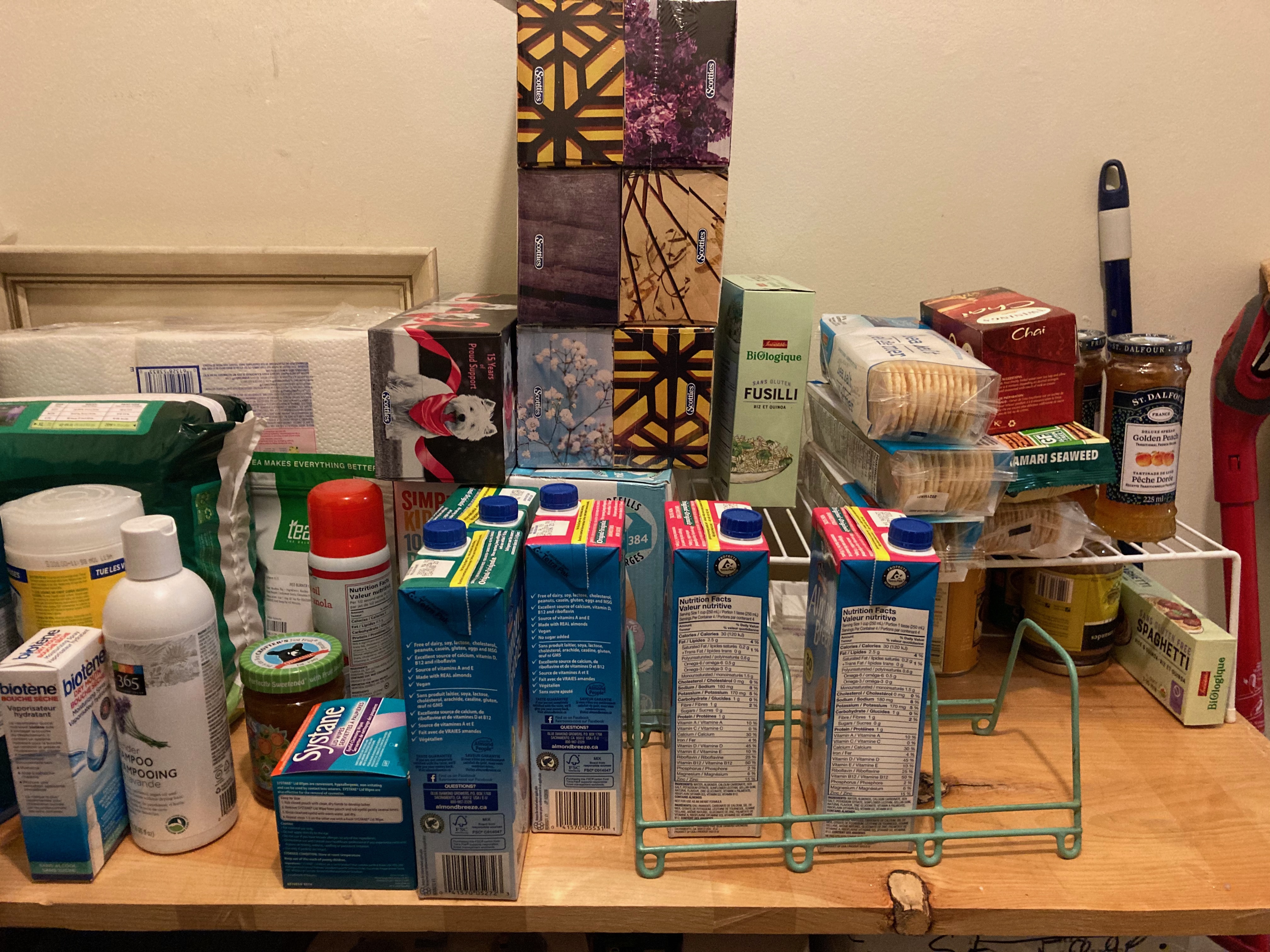
My equivalent of the flour barrel once I bravely started going to the store.


THE BOTTOM OF THE FLOUR BARREL

I am too short to look over the rim of the big barrel that holds the flour. My mother has removed the bread board on its top and she is weeping inconsolably. I hitch myself up on the barrel’s side and peer in. There is a thin drift of flour on one side. We don’t buy ready made bread here on the hill. We don’t buy anything much. We are country folks and the stores are a long buggy ride away, but there is no money to buy anything anyway.

Some solution must have been found. I get older.

“Go to the butcher’s and get 6 slices of bologna,”  my mother tells me at lunch time. We live in the city now. There are 4 of us children and her, but 1 slice will be for Daddy’s lunch tomorrow, so we kids will each get half a slice for our sandwich, but 2 slices of Wonder Bread and a little butter. My little sisters come with me and each steals a jaw breaker  from the candy display. The butcher looks at me to tell me that he saw that. He doesn’t yell. I want to cry as we walk home. Not for poverty. For kindness.

I get my first job in a bakery when I am 15. All my adult life, I have had to have a well-stocked pantry and a full freezer, but stocks have run low in March 2020. So I enter the grocery delivery sweepstakes.

I have a long list of groceries I need. I go through the website list for Longo’s. Some things are not available – toilet paper, paper towels, tissues and all Lysol products. Having completed my order, I move on to the page where I can choose a delivery date. The next possible date is 10 days away, but even as I ponder, one by one the time slots get snapped up until the dates run out in 14 days. I move on to the Metro website and hurriedly place the same order. Paper products are NA. I speed to the delivery page. By now, it is getting very late. All the time slots are gone. Then as midnight strikes, a new day of delivery times magically appears and I grab a 10 a.m. two weeks away.

Day 34: For the next two weeks, I work my way to the bottom of the barrel as I await delivery. The fridge shelves are all but empty. The freezer gets down to questionable beef patties and a partial bag of frozen kale. I scour the cupboard for tins of soup past their best buy date. My impromptu recipes get more and more inventive and I grow heartily sick of kale and rice. Finally, the big day arrives along with eight sturdy red bags. Excitedly, I begin unpacking. I have ordered 3 chicken breasts on the bone. I get 3 packages of 3 chicken breasts from the biggest chickens in captivity. Instead of 2 steaks, I get 2 packages of 2 steaks each. On it goes with minced beef, pork chops and stewing beef. I have enough food for a regiment at least. I am also the proud owner of 2018, unscented wet wipes. I set about cooking chicken for my sister, my niece, myself and the couple down the hall. After this cook-off, I can fit the meat into my fridge-top freezer.

I manage to get 1 more delivery by using the 12 a.m. strategy, but after that, although I try 4 nights in a row, I cannot snag a spot. Obviously, I have to go out to shop.

Coming soon 100 Days of Solitude: chpt 2


Watching the Breath: listening to the light

Day 93: Yes, I know there are other people still locked down. Steven Colbert was last week. Possibly, my region can be opened up this week, but the last I heard cases of Covid-19 were still going up, especially in my suburb. Although, honestly, it won’t make much difference to me, given my advanced age and the nearly 20% chance that it will be fatal if I catch it.

For the first three weeks, I didn’t leave my apartment, but then grocery delivery stopped working. You could order a large number of things and sit up until 12 a.m. to get a delivery slot, four nights in a row and never get one. Conclusion – I had had too few children, the two I had were wanderers and I would have to scuttle out before daylight and buy my own.

So for three months, I have been staring out my high windows at the sky, my feet touching earth once a week to hunt and gather. The good news is it’s now daylight at 6:50 a.m.

I know everyone has had different stresses and pressures. I’m grateful I wasn’t shut up with the man I married nor our children who needed the challenge of strenuous exercise to keep from killing each other. We were both teachers, and good at it, except with our own offspring, who tended to run screaming from the room when their father tried to teach them algebra.

So there’s that to be grateful for.

I also know there are many, many single people who have got to the end of their rope, like me, around 9 p.m. when they haven’t heard another voice all day. Except of course on television. I am proud of the fact that so far I have had only one real panic attack caused by a sudden vision of burning cities and gunfire. We had already had some of that, but this was worse and involved Trump’s rally in Tulsa. I called Georgia my sister, who was puzzled because I couldn’t speak. Finally and with no sociological reference, I managed, “I can’t breathe.” It was a doozy combining all the symptoms of suffocation, heart attack, food poisoning and seizure-like spasms.

Georgia said in a kindly, scolding voice, “You know we all signed up for this. Every last one of us. We made an agreement to take on these roles – victim or killer or Covid patient. We came to do these things, to learn a certain lesson. Anyway, it’s all already happened.”

Now you may not agree with Georgia’s view of destiny, which we undertake pre-incarnation. I’m not altogether sure that I do. At the time,  it seemed a wise idea, although I nearly drew the line at it had “already happened”.

Half an hour later I had calmed down.

Next day I checked in with my daughter in California and she seconded everything Georgia had said, despite the fact that the two of them have barely spoken for forty years. I still want to nail them down about the simultaneity of time. Certain times I absolutely do not want to ever encounter again.

Such as this one.

Thank goodness for household chores that ground me, thank you for Face Time and video calling and even telephones, thank you for television – for  news channels and Netflix and Acorn, thank you for e-books and library loans by internet, thank you for socially distanced chats in Georgia’s backyard and drive-by birthday parties and thank you for the strange experience of being a monk in a mountain cave.

I had read a lot about these chaps in my study of Buddhism and Taoism. I knew that they depended on routine. That seemed an odd way to organize nothing, but I leapt to the task. One of my first daily tasks is to put my hair in order. It was last cut in late January. I wear it short, very short, usually. Now it is half way down my long neck and curling up in an awkward reverse pageboy. This morning I found myself saying, “Fuzzy-wuzzy was a bear..”

Both Georgia and my daughter are fond of reminding me to breathe. I, of course, always respond in my robot voice, “What is breathe?” “Watch your breath,” my daughter says. “And listen”.

I can see about 50 miles of horizon out my floor-to-ceiling windows. The view’s horizon is the shore of Lake Ontario. The photo above does show a line of darker blue that is the water. In the east, I can see the C.N. Tower in downtown Toronto and in the west, I can see the height of the Niagara Escarpment, the only height in this flat land. I particularly love Rattlesnake Point there and longed to go there for the long weeks of shut-in.

I used to live in a ground floor apartment in a triplex. There were bushes and flowers, trees and birds at my level. Now my view is of doll house roofs and tree tops. And sky. I have taken to noticing the change in light throughout the day. At the moment the ground is all green kodachrome while the sky is light blue fading to white over the lake. I have watched a line-squall suddenly tear through with floods of rain and tree-bending winds. I have watched its darkness leave just as suddenly to lash the city. I have remembered the names of clouds from my sailing days and the weather they presaged.

I have sat in absolute stillness listening to the quiet.

At dawn this morning, I dreamed of a man who loved me when I was young, a tweedy grad student who smoked a pipe and wrote me love poetry. I liked him well enough, and spent time with my roommate in the house he lived in with other grad students. It was good to get way from residence food and rules. We laughed and pretended to be intellectuals. After I left university, he called me to invite me to a cousin’s wedding Friday night two days hence. He had tracked me down at Blake’s home. I said I was sorry I couldn’t go. He said, “I suppose you have something important on.” He could be snarky. “Well, yes,” I said reluctantly. “I’m getting married.” I may have named my son after him, although I spelled it differently and reasoned it was my grandmother’s maiden name. He died young, in his forties, of a brain tumour. I didn’t learn that until years later, by which time I was divorced.

“I thought you knew,” my ex-roommate said when she told me. “We thought you were the woman in the veil who came late to the funeral and sat in the back row.”

Last night, he turned up in my dream. We were both still young. He was working in a hospital in Toulon, he said. That was odd, considering he had studied physics.Then he enfolded me in an enormous hug. His body was more substantial than it had ever been and he held me tightly for a long time. So thank you, Brian, after all these months I needed that human touch.


Something Arrived: covid gives way to chaos

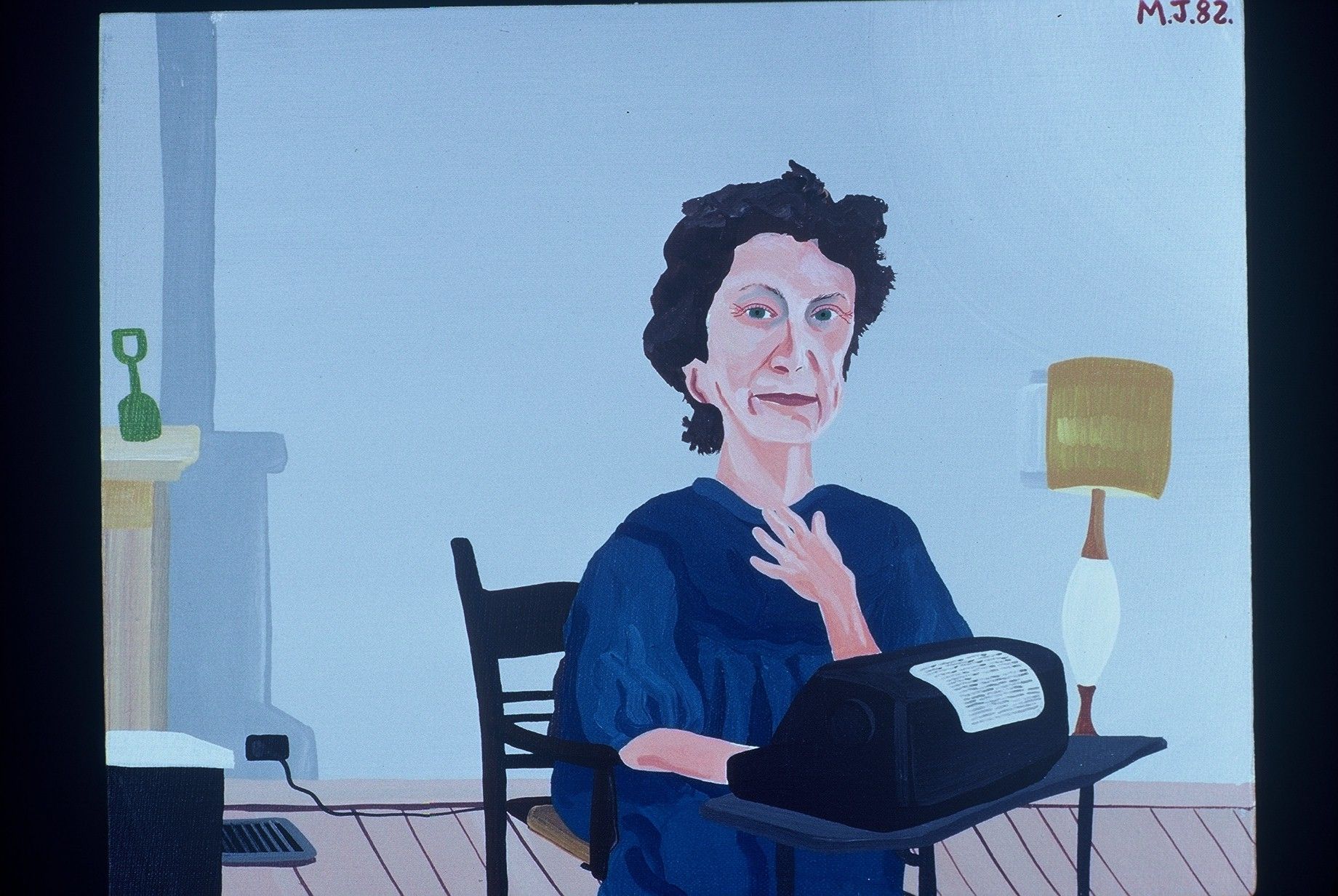
Look The Writer by Mendelsohn Joe 1982

My last blog post was called Nothing Arrived after the Villagers’ song https://115journals.com/2020/05/14/nothing-arrived-day-64-of-lockdown/

It turns out I only had to wait. Eventually 3 cloth masks arrived from the veterinary supply store, not quite as advertised but that’s understandable – not that veterinarians had much call for them on day 70, but the rest of us did. I also received a book from Amazon –Dead Lions by Mick Herron, a birthday gift for my niece, long overdue because it had been circling the eastern half of the continent. And Land’s End sped a summer dress to me, so I could survive my south-facing apartment. Best of all, a new news cycle arrived. Suddenly, instead of watching the death count in the U.S. rolling past 100,000, I got to see burning buildings and looted stores on Melrose. Melrose!! Stay the F away from my eye glass! store.

I caught no glimpse of my grandson in the LA march. He knew better than to be there, I told myself. I called him after midnight. He had just got back. He had been shot by ‘rubber’ bullets three times, one in the chest, but he was carrying his backpack there. One in his foot, which was bleeding, and one missed his face, on which he was wearing a gas mask. He absolutely had to be there, he said. It was his responsibility as a citizen. I didn’t argue. I just whined like an old granny – wait a minute – about live bullets coming next.

“Do over. Do over,” I cried to the gods. I’ll go back to nothing arriving. Please. Yes, I believe in equal justice. I hate fascism. I fought it as a child, dragging a wagon of tin and rancid fat and paper to school. Don’t you just have to do that once?

So I lit a candle to Kwan Yin and Buddha. I have to give some credit to George Floyd’s relatives who appealed for the violence to stop, but I don’t discount my Taoist saints. It did stop – except for the cops who battered girls riding bikes and tasered students out looking for a snack and  crushed news photographers with their shields and pushed old men over to crack their skulls. But, by and large, no more stealing small appliances or burning auto supply stores.

It wasn’t until grandson phoned me on his birthday that I found out he had stopped marching. Too dangerous.

So shut up here in my tower like the Lady of Shallot, I indulge in magical thinking. If I ‘pray’/think hard enough things can change. Some people march in large crowds and refuse to obey police commends, cf grandson, while some people light candles and think hard. If only… justice would be universal and Trump would lose his voice. Pretty sure he can’t write except his signature.

So today, the march in D.C. is going to be bigger than ever, despite the baby gate around Lafayette Park, along more than the two blocks that read ‘Black lives matter’ from the Space station probably. And there will be marches across the States, here in Canada and around the world.

I’m not black. I was -and am- white trash, a hillbilly from the Eastern Townships. In those days, the French held power in Quebec. The French held the mortgage on our farm. Grandpa Willy had defaulted. My father took it on. At first he took me with him to hand over what cash he could pay. Dad’s talent with fire must have been a concern for Monsieur Mortgage Holder. Dad was always first to show to put out the flames in a barn.

It’s not the same. I didn’t have to worry about my black son being shot. They just put my white uppity hippy white son in the cruiser and did a suspect parade of one. “Not him,” said the lady.

And I had a long career, passing as a normal, respectable, more or less middle class teacher. But I lived by a code. Never call the police. Stay out of hospitals. Don’t mess with city hall or the government. Keep your head down. Lucky me! My skin doesn’t advertise my difference.